Highway driving can feel routine, especially if you do it often. You merge, settle into traffic, and before long it becomes part of the day. But highways demand more from both drivers and vehicles than many people realize. Speeds are higher, stopping distances are longer, and small mistakes can turn into big problems quickly.
At our shop, we often see how highway driving affects vehicles. Tires that seem fine around town start showing wear on long drives. Brakes feel different at higher speeds. Cooling systems that manage short trips can struggle in heat or traffic. Safe highway driving comes down to two things working together: a well-maintained vehicle and a driver who stays alert and consistent.
Give Yourself More Following Distance
Following too closely is one of the most common highway mistakes. At higher speeds, your car needs much more room to stop. What feels like a safe gap in city traffic can disappear quickly on the highway.
A good rule is to leave enough space so you are not constantly braking when traffic changes. In rain or heavy traffic, increase that distance even more. Extra space gives you time to react and keeps your driving smoother.
Pay Attention To Speed And Traffic Flow
Speed limits matter, but so does the flow of traffic. Driving much faster than others increases risk, and driving far slower can create hazards as well.
The goal is to stay predictable. Smooth acceleration, steady speeds, and minimal sudden movements help reduce risk. Quick lane changes and weaving through traffic may save a minute or two, but they increase the chance of an accident.
Use Your Mirrors Often
Highway awareness is not just about what is ahead of you. It also includes what is happening around you. Vehicles can approach quickly, especially from behind.
Make it a habit to check your mirrors regularly, signal early, and always check blind spots before changing lanes. Avoid sitting in another driver’s blind spot when possible. Small awareness habits make a big difference in safety.
Pay Attention To How Your Car Feels
Highway driving can reveal issues that are not obvious during short trips. If something feels off, it is worth noticing.
Watch for:
- Vibration in the steering wheel
- Pulling to one side
- Brake pulsation
- Unusual tire noise
- Temperature changes
- Warning lights
These signs may point to problems that need attention. Ignoring them during a long drive can make things worse.
Stay Calm Around Aggressive Drivers
Every highway has aggressive drivers. The safest approach is to stay calm and let them go. Trying to match their behavior or respond emotionally only increases risk.
Safe driving is often steady and uneventful. Staying patient helps you avoid getting pulled into unsafe situations.
Adjust For Weather And Traffic Conditions
Conditions like rain, heat, and heavy traffic require extra attention. Wet roads reduce traction. High temperatures put stress on tires and cooling systems. Stop-and-go traffic increases the risk of sudden braking.
In these situations:
- Slow down
- Increase following distance
- Avoid sudden movements
- Make sure lights and wipers are working properly
Driving conditions should always influence how you approach the road.
Watch For Fatigue On Long Drives
Fatigue is a major safety concern on highways. Long, steady drives can make drivers more tired than they expect.
If you feel your focus slipping, take a break. Stretch, hydrate, and rest when needed. Do not rely on music or fresh air to fix real fatigue. Staying alert is essential for safe driving.
Make Sure Your Vehicle Is Ready
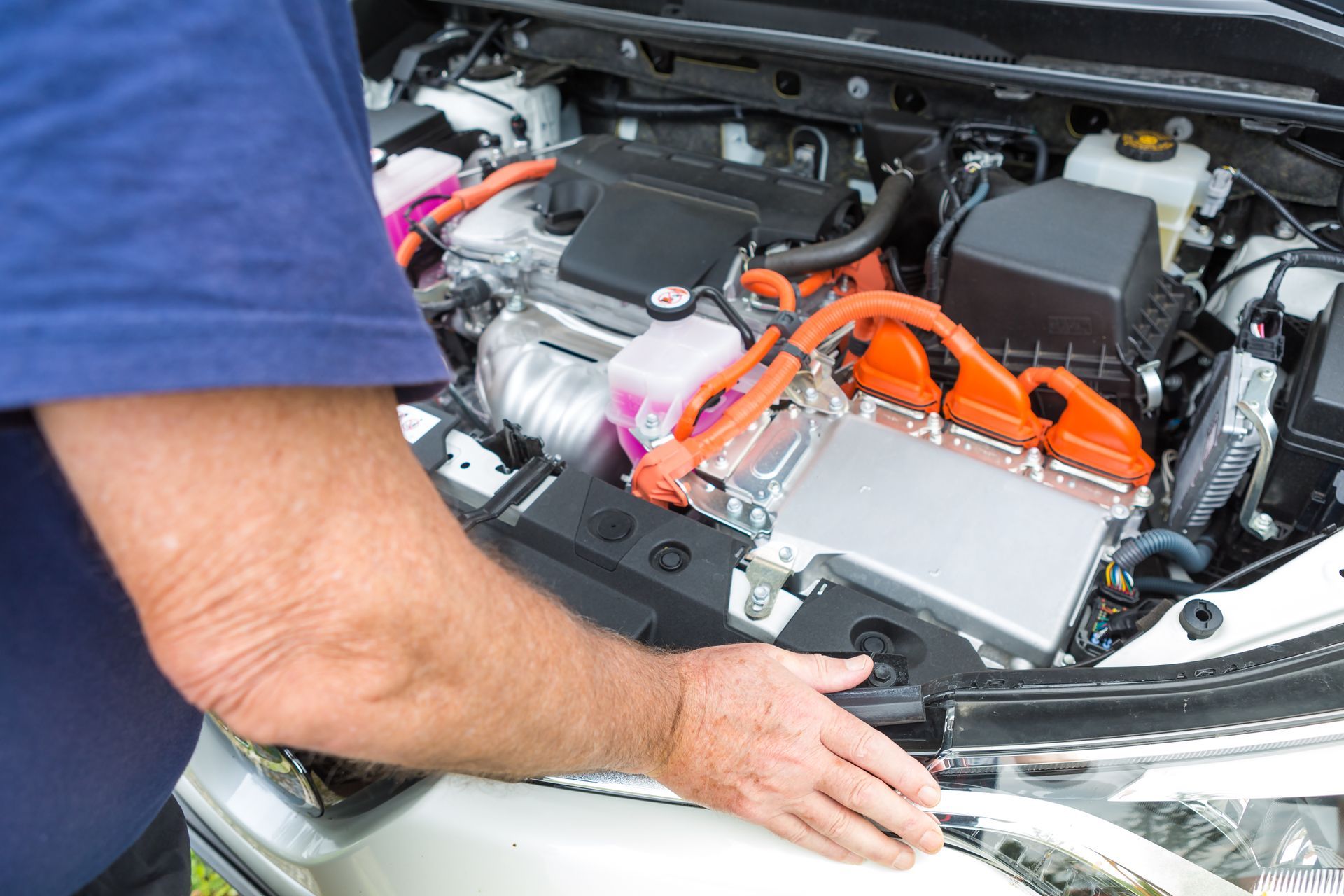
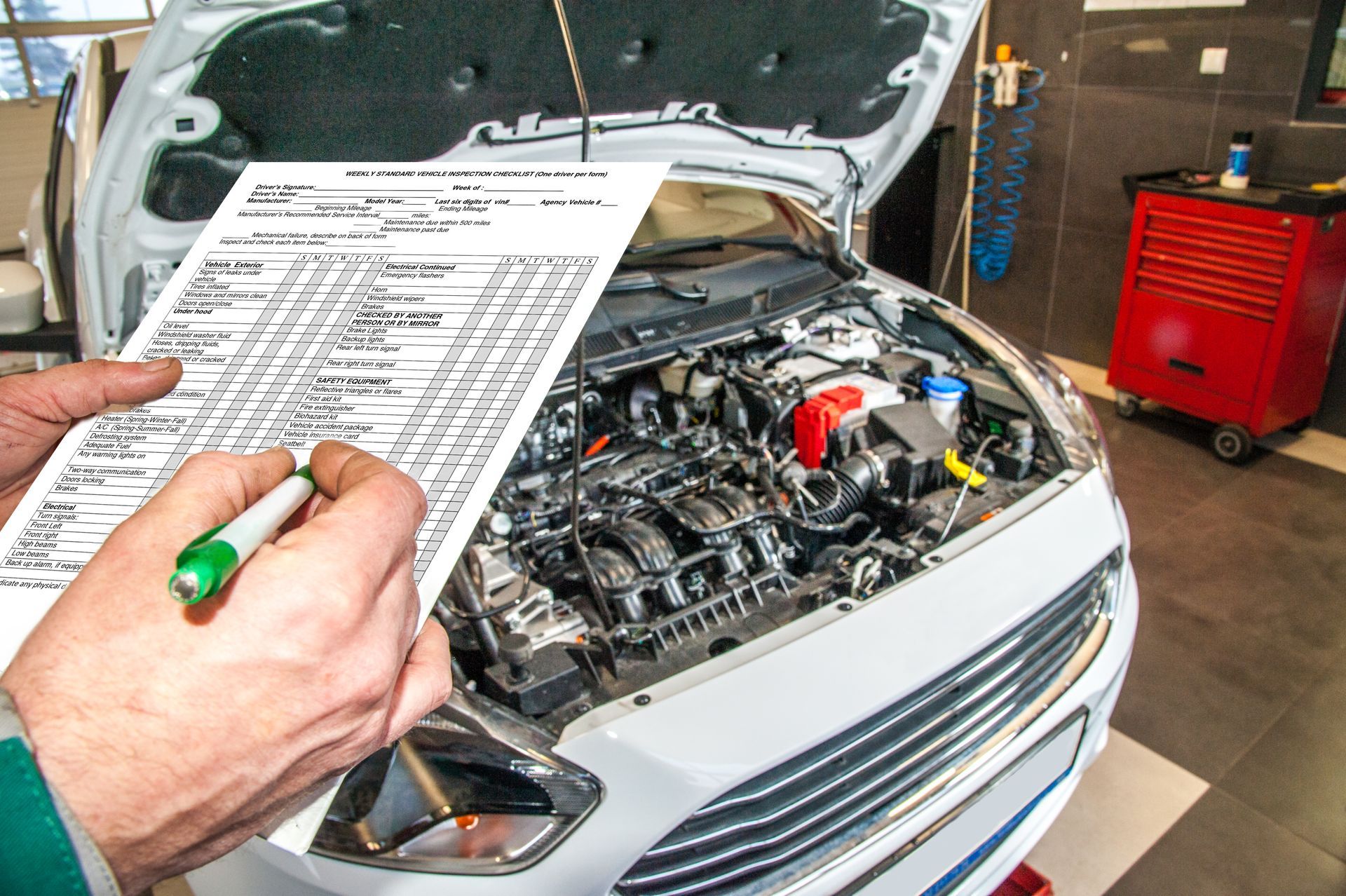
Highway safety starts before you even begin driving. A quick check of your vehicle can prevent problems on the road.
Before longer drives, check:
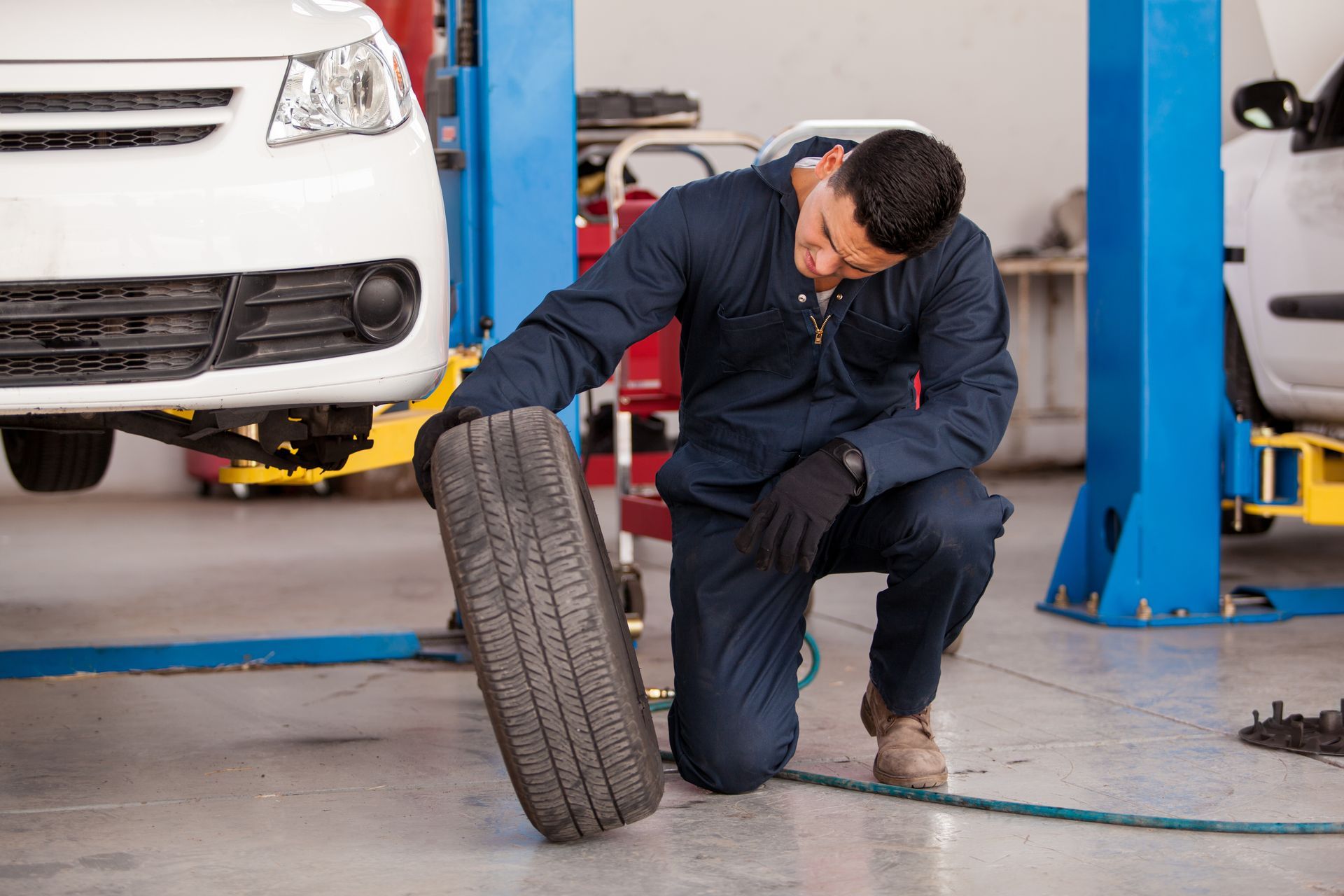
- Tire pressure and tread
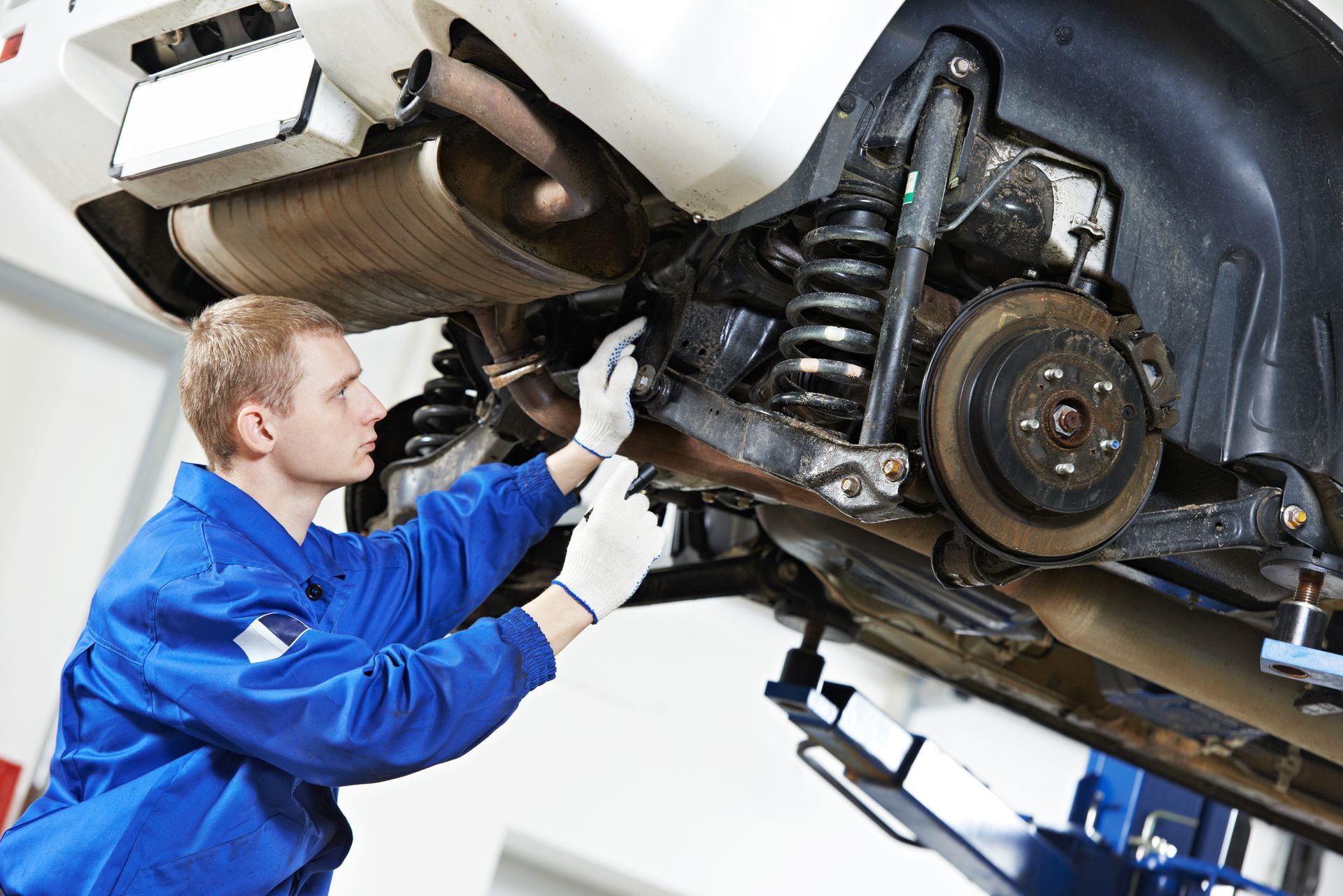
- Brake condition
- Oil level
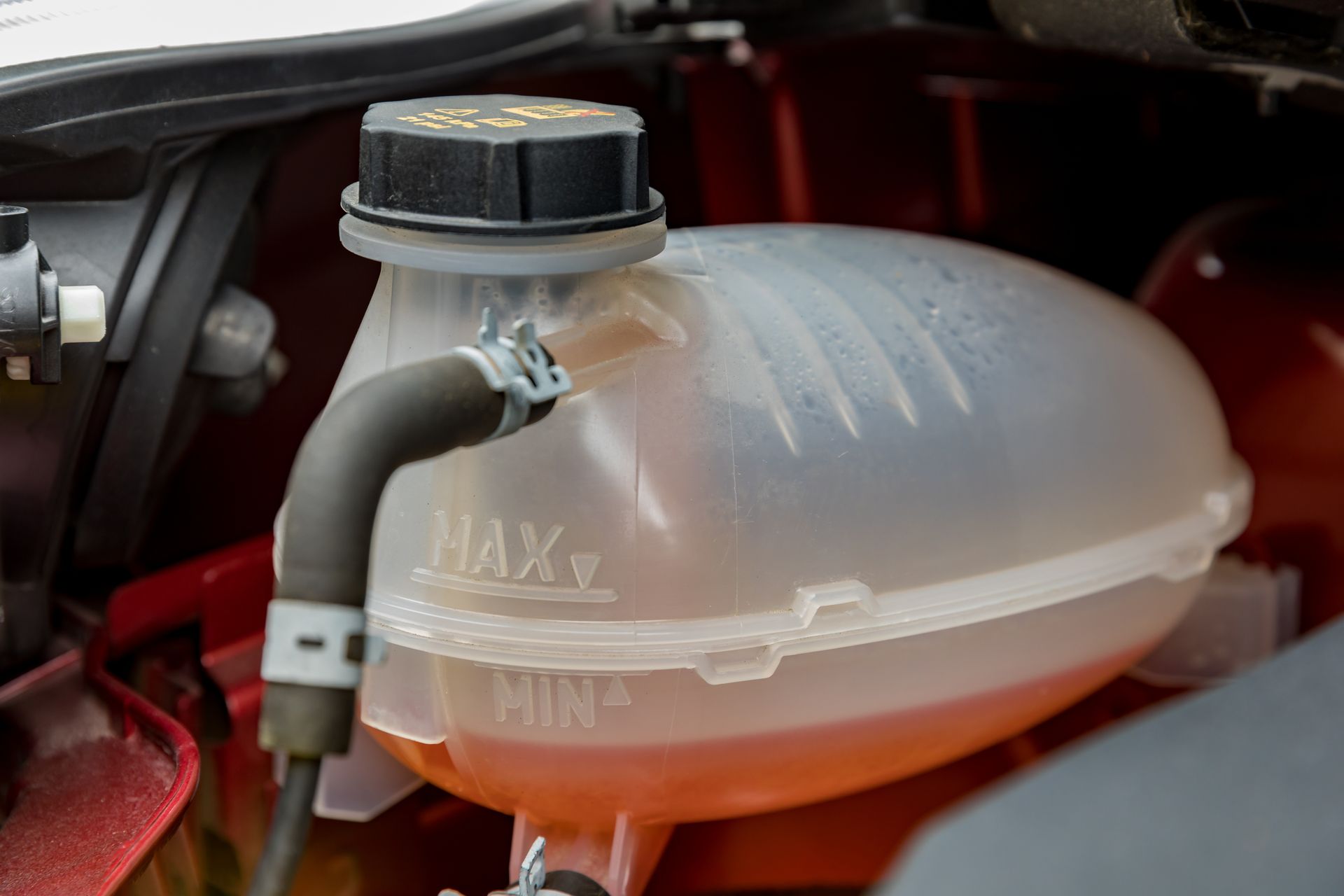
- Coolant level
- Wipers and washer fluid
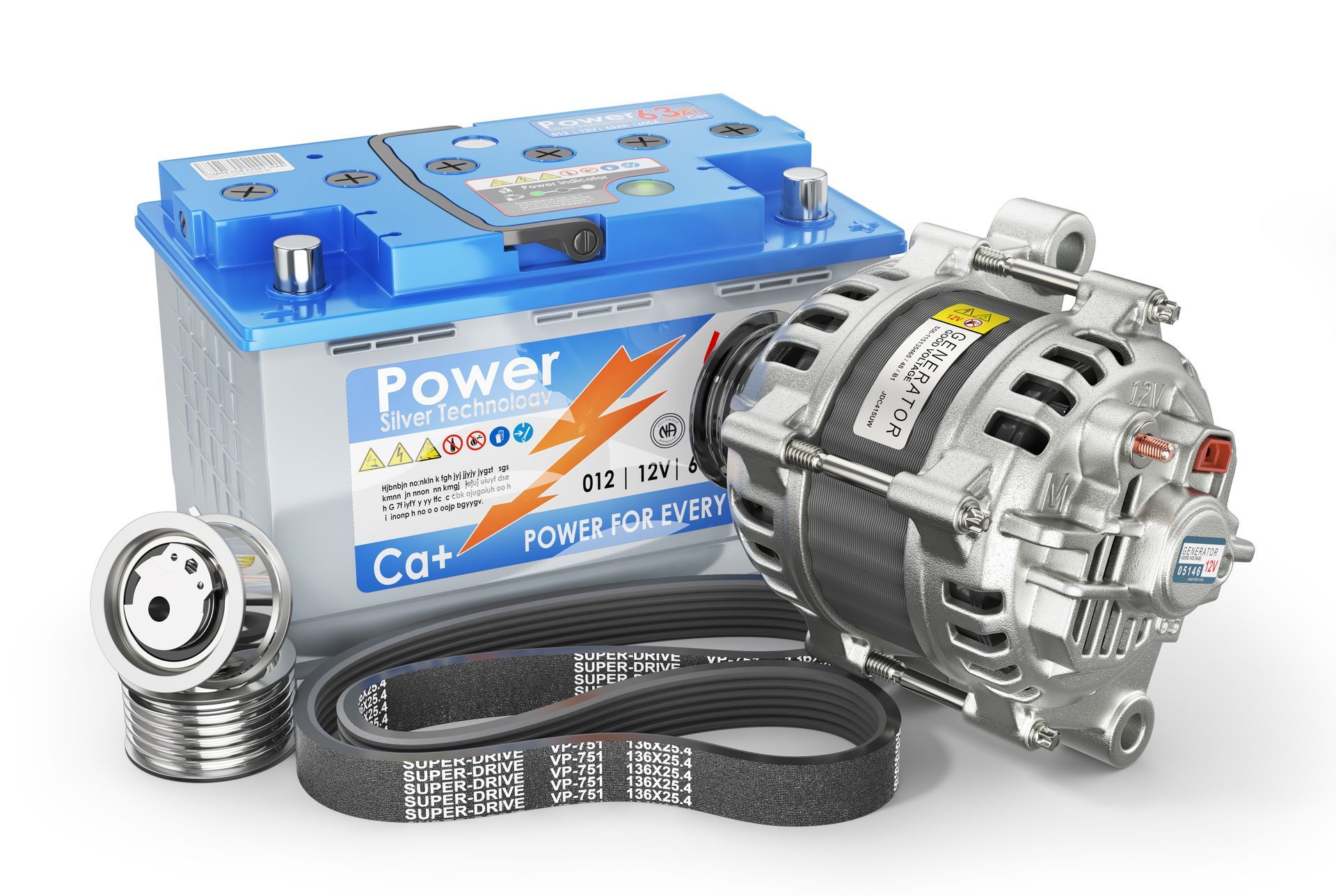
- Battery condition
A well-maintained vehicle handles highway conditions more reliably and safely.
Use Lanes Properly
Lane discipline helps traffic flow more safely. The left lane is typically for passing, not for cruising when faster traffic is behind you.
Being mindful of lane use reduces frustration and helps prevent risky passing behavior from other drivers. Predictable driving benefits everyone on the road.
Drive Safer With Curry Truck & Auto
If you want to feel more confident before your next highway drive, Curry Truck & Auto in Venice, FL, is here to help. With three convenient locations, our team can inspect your vehicle and make sure everything is ready for the road.
From tires and brakes to fluids and inspections, we help keep your vehicle prepared for safer driving.
Call us today or stop by to schedule a vehicle check before your next trip.
Returning to Venice After Your Car Sat for the Summer? 7 Things to Check Before Driving It Every Day